WHO

Considering physical activity and COVID-19

During the COVID-19 pandemic several public health measures were adopted, including lockdowns and limitations of access to public spaces for physical activity. These measures have had a negative impact on physical activity levels and sedentary behaviour, when they were already insufficient.

Among individuals who are infected by COVID-19, those who meet physical activity recommendations have a lower risk of severe COVID-19 outcomes, namely being hospitalized, requiring intensive care unit admission and dying. Individuals that were doing some physical activity have had lower risk for severe COVID-19 outcomes compared to those who are consistently inactive.

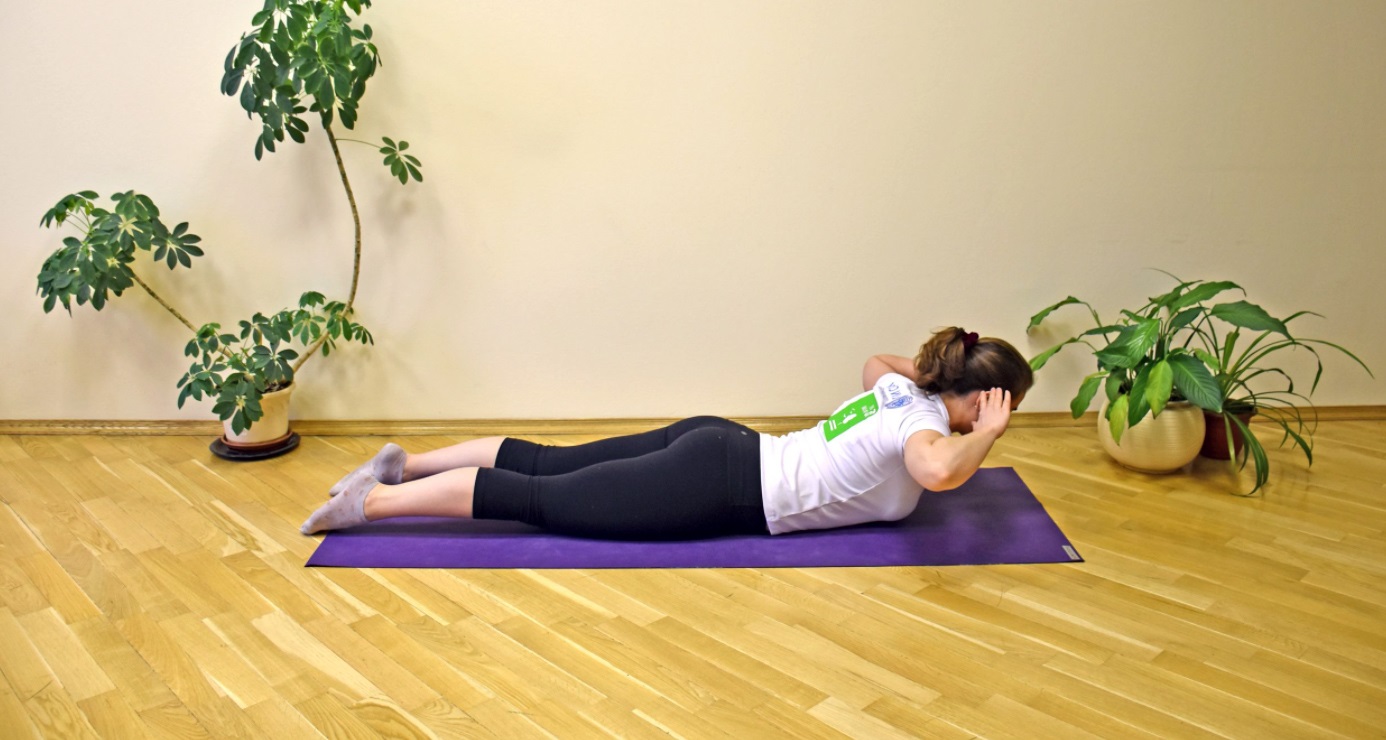
WHO/Europe developed some tips on how to stay physically active and reduce sedentary behaviour while at home in self-quarantine.

News

All →

Publications

All →
Long COVID toolkit for health-care workers

This toolkit is a comprehensive resource for health-care workers involved in the care and support of people living with long COVID. It provides practical...

Operational considerations for collaborative surveillance: report of the Pan-European Network for Disease Control Collaborative Surveillance Working Group

This report presents operational considerations for implementing collaborative surveillance in the WHO European Region, developed by the Collaborative...

Third meeting of the WHO European Region Sugar and Calorie Reduction Network: London, United Kingdom, 26–27 March 2025, meeting report

The third meeting of the Member State-led WHO Sugar and Calorie Reduction Network was co-hosted by the WHO Regional Office for Europe and the Department...

Promoting mental health through cycling and walking: a win-win approach for health and sustainability

Addressing the triple challenge of physical inactivity, the growing need for healthy and sustainable mobility, and for intersectoral action on mental health,...

Multimedia

All →

Related activities

All →

Related health topics

Related content