Promoting prevention and control of foodborne trematode infections using a One Health approach

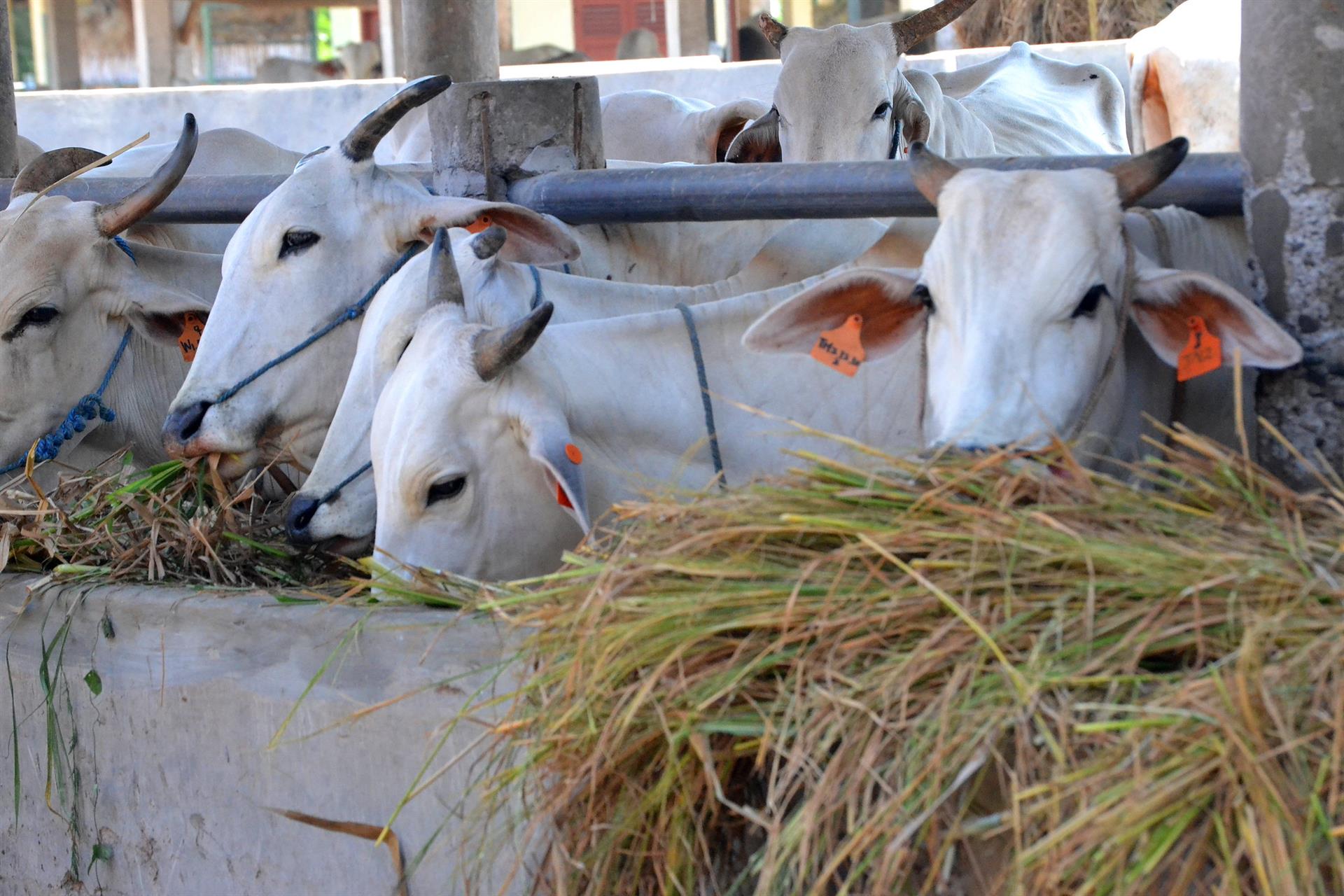
Foodborne trematodiases have complex zoonotic life cycles and are closely linked to poor sanitation, poor food hygiene and presence of animal reservoirs in close proximity to communities. A One Health approach incorporating interventions in the veterinary and agricultural sectors like antiparasitic treatment of cattle and snail control, improved sanitation and access to safe water, and communication about improved food safety and hygiene is vital to the control of foodborne trematode infections. 

WHO works closely with partner agencies such as the World Organization for Animal Health (OIE) and the Food and Agriculture Organization of the United Nations (FAO) to promote interdisciplinary collaboration. Tripartite joint meetings have been organized to promote actions between sectors and jointly support countries in building their capacities for effective control of foodborne parasitic diseases. 

4 main diseases

Clonorchiasis, Opisthorchiasis, Fascioliasis and Paragonimiasis

Prevalence

Foodborne trematode infections are most prevalent in East Asia and South America

2 million

life years lost to disability and death worldwide every year

Publications

All →
Target product profiles for diagnostic tests for Taenia solium taeniasis in humans, and cysticercosis in humans and pigs
This document presents target product profiles (TPPs) for diagnostic tests for Taenia solium taeniasis in humans and cysticercosis in humans and pigs....
Routine health information system and health facility data for neglected tropical diseases: Taenia solium taeniasis and cysticercosis

This guidance was developed based on a template provided to health programmes by the WHO Division of Data, Analytics and Delivery for Impact. WHO regional...

Implementing Taenia solium control programmes in countries: monitoring and evaluation framework

This document aims to provide best practice on monitoring and evaluation of Taenia solium, as part of the World Health Organization’s (WHO) effort...