/59748.tmb-300v.png?sfvrsn=9885965b_2 "For the future - publication thumbnail")

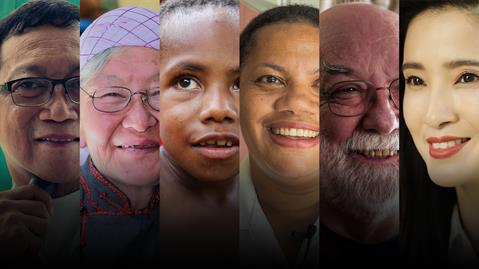
Sania, Pakistan
Sania grew up in Pakistan and initially understood mental health in the way many people do: as a personal struggle. So, when she experienced depression at the age of 17, her care was structured around an individualistic response to a problem that also has a structural dimension.
Sania comes from a context where many young people face limited access to employment, civic participation and personal autonomy. For women and girls in particular, distress is inseparable from the limitations imposed on their everyday lives. Yet, those realities were rarely discussed as part of the conversation on mental health.
This experience changed the direction of her life. Sania’s experience navigating the mental health system raised new questions. As she learned more about mental health and reflected on her own experience, she began to wonder where distress comes from and how often suffering is shaped by the conditions in which people live.
With a successful career in business and management, Sania found herself drawn towards efforts to reform mental health systems, bringing together her professional skills and knowledge gained from navigating the Pakistani mental health system herself.
When the causes of distress are overlooked
Sania came to believe that too many problems rooted in social conditions are treated solely as individual or medical concerns.
She asks us to consider a young woman in rural Pakistan who is not permitted to leave her home. If she is distressed, the response may focus immediately on diagnosing depression or anxiety – without examining the social, legal and economic conditions shaping her life.
Combining her lived experience with her professional role inside the system allowed Sania to identify systemic gaps. She highlights the example of people affected by climate-driven floods who have lost their homes and livelihoods due to a structural problem, emphasizing the importance of focusing on such structural issues, in addition to individual-level support, to facilitate better mental health.
People should be able to make informed choices about their care, Sania argues, being equal partners in clinical care and decisions about medication, which she believes can be useful for many people. She underscores that treatment should not become a substitute for addressing discrimination, insecurity or the denial of rights.
From lived experience to policy
Sania recently brought this perspective into the development of Pakistan’s mental health policy. Supported by her colleagues in the Global Mental Health Action Network and using online platforms that can reach rural areas in Pakistan, she sought out people with lived experience from across the country and created space for them to articulate the changes they wanted to see. Sania then relayed those priorities to policymakers, explaining from her own lived experience why a rights-based care approach can make a difference.
“It’s critical for me to do work for and with communities, and never to them,” she says.
For Sania, community does not simply mean a mental health support group expected to compensate for inadequate social structures. Community includes schools, workplaces, housing, legal frameworks and local environments.
Today, Sania's advocacy focuses on the decisions that shape people's daily lives: whose knowledge informs policy, which services receive funding, and whether institutions protect dignity, autonomy and human rights.
“Every single one of these places will either support human dignity or undermine it,” she says. “When society is structured well – when workplaces are safe, when schools are inclusive, when systems guarantee legal and economic security – that is what a healthy community looks like. And that is what rights-based care looks like.”
What began as one teenager's experience of depression has become a commitment to changing the systems that shape mental health. For Sania, advocacy is meaningful only if it translates into tangible improvements in people's lives.
“Advocacy would be hollow if it didn’t result in change,” she says. “I want a government official to feel that this speaks to them – and then translate that feeling into a policy decision.”
When asked what it means to her to advocate as part of WHO’s World Mental Health Day campaign, she replied, “This is a real full-circle moment for me. I started out as a teenager who felt overlooked by the system. So, I decided to understand it from within by stepping into it. To be here now, sharing everything I've learned, and knowing these insights carry weight at WHO with direct implications for world mental health policy, is deeply personal and incredibly important to me.”
The views and opinions expressed are solely those of the individuals featured and do not represent the views of WHO