WHO
© Credits

Considering health measures at national points of entry

While international transport, travel and trade contribute to economic development and the welfare of populations, they may also pose public health risks. Today’s high level of traffic at points of entry can play a key role in the international spread of diseases through persons, conveyances and goods.

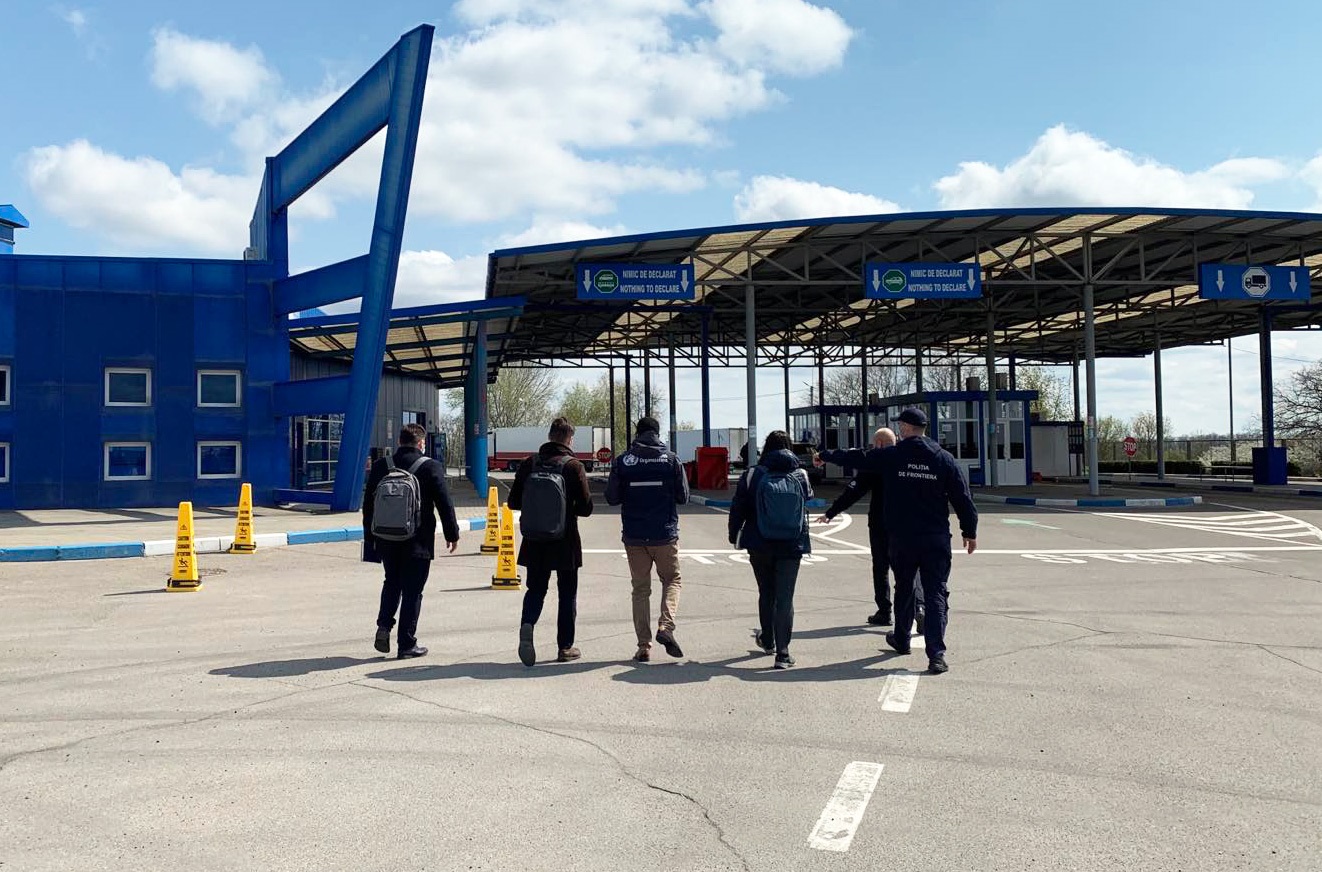
Points of entry provisions in the International Health Regulations (IHR) (2005) outline obligations and recommendations enabling countries to prevent, prepare for and respond to public health risks at the three categories of international airports, ports and ground crossings.

Under the IHR, States Parties are requested to maintain effective public health measures and response capacity at designated points of entry. WHO helps assess travel recommendations; it provides guidance to countries and coordinates simulation exercises, external evaluations and After Action reviews.

This work is critical to global circulation of people, goods and services: worldwide airport passenger numbers reached 6.3 billion in 2013, while 50 000 commercial vessels transport every kind of cargo, and ground crossings can see the passage of as many as 50 000 people a day.

News

All →

Publications

All →
Community mapping in health emergencies: strengthening preparedness, response and resilience

This document provides a comprehensive toolkit for community mapping to support emergency preparedness and responses for public health emergencies as defined...

Report on the subregional workshop Strengthening primary health care preparedness for emergencies in the European Region: 26 –28 November 2024, Tallinn, Estonia

On 26–28 November 2024, the WHO Regional Office for Europe’s Country Health Emergency Preparedness and International Health Regulations (2005)...

Multimedia

All →

Related activities

All →
Building sustainable future generations of laboratory leaders

Building sustainable future generations of laboratory leaders

WHO
© Credits

Overview

WHO is building future generations of laboratory leaders in the Region and globally.

Developing reliable and sustainable laboratory systems necessitates strong leadership and management for which laboratory leaders need meaningful education and training. This was shown during the COVID-19 pandemic which put extraordinary pressure on health services worldwide and clearly demonstrated the importance of robust laboratory systems.

Countries need the capacity to build, strengthen and sustain national laboratory systems, and increase clinician confidence in laboratory services and the general public’s trust in health systems.

WHO, through the Global Laboratory Leadership Programme, operates globally to identify professionals working in human, animal and environmental health laboratories and nurture them to become laboratory leaders.

WHO selects national experts as facilitators to train and mentor laboratory staff in the nine essential competencies needed for leaders to build and direct sustainable laboratory systems.


Related health topics

Related content