Injury affects people worldwide but has a particularly high burden in low- and middle-income countries where the resources to treat it are more limited. Almost 90% of injury deaths take place in low- and middle- income countries. While the ultimate goal must be to prevent injuries from happening at all, much can be done to minimize the disability and ill-health arising from the injuries that do occur despite the best prevention efforts.
For every person dying as a result of injury, hundreds more that sustain non-fatal injuries and other health consequences. Strengthening the emergency care systems that serve as the first point of contact for patients is essential to ensuring timely and equitable access to care for the injured. Well planned services for the injured can prevent future fatalities, reduce the amount of short-term and long-term disability, and help those affected to cope with the impact of the injury event on their lives.
The 76th World Health Assembly WHA resolution 76.2 recognized that robust emergency, critical and operative care services are core to national health systems’ ability to respond effectively to emergencies on a daily basis, and form the foundation of effective planning for, and response to, large scale emergencies.
Trauma care in humanitarian settings
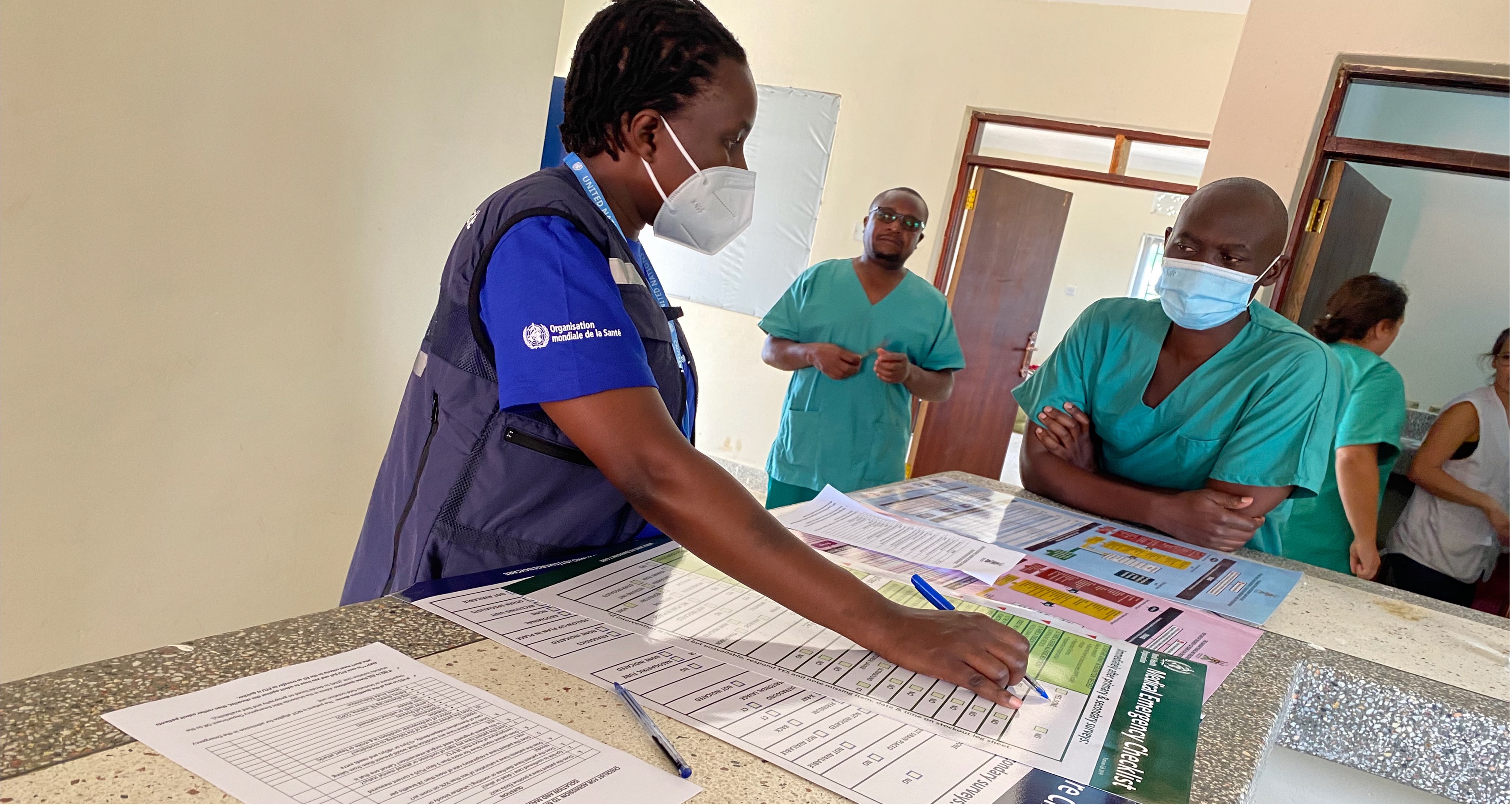
While a comprehensive approach to strengthening the health system for injury care may be desirable , such an approach can be challenging in areas experiencing acute or protracted crises, e.g., during conflict. In these situations, prioritisation is given to activities focused on emergency life and limb-saving actions for injured people such as:
- Early recognition of life-threatening injuries and complications, including through use of validated acuity-based triage tools
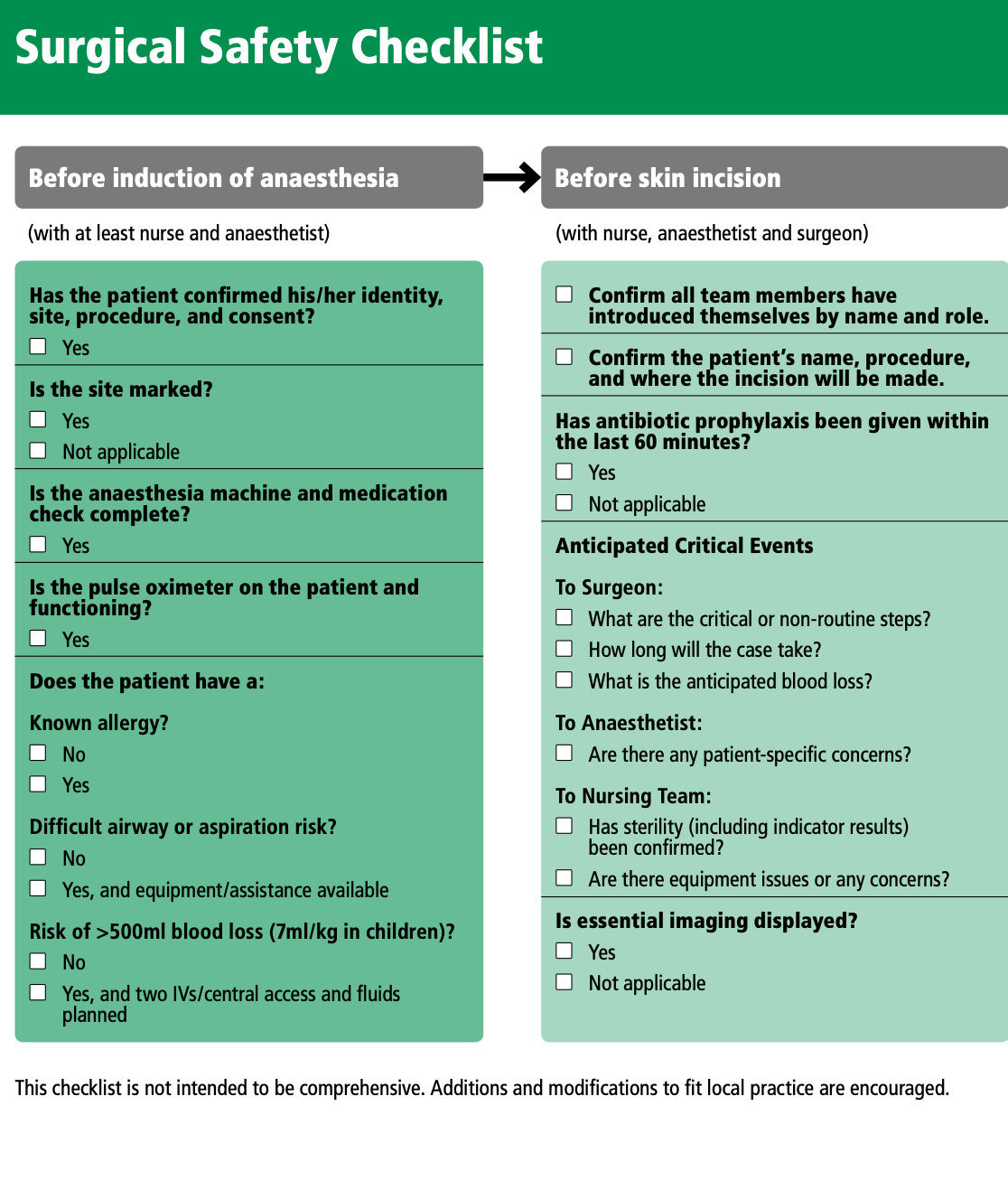
- Capacity to perform resuscitation and surgical stabilization interventions through effective clinical processes and the availability of trained clinical staff, coupled with adequate supplies and functional, secure work environments
- Ability to manage conditions resulting from specific conflict or disaster-related injury, and day-to-day trauma emergencies e.g., road traffic incidents
- Robust and timely referral processes and systems to access higher levels of care and more advanced services
- Consideration of morbidity and mortality, and specific care needs, of special populations such as children, older adults, victims of sexual and gender-based violence, and pregnant women
To achieve these goals and maintain essential health services, the provision of trauma services should not be decoupled from the provision of emergency medical, surgical or obstetric care for non-trauma patients. Wherever possible, the same trauma management resources and learning programs should be utilized during times of crisis.