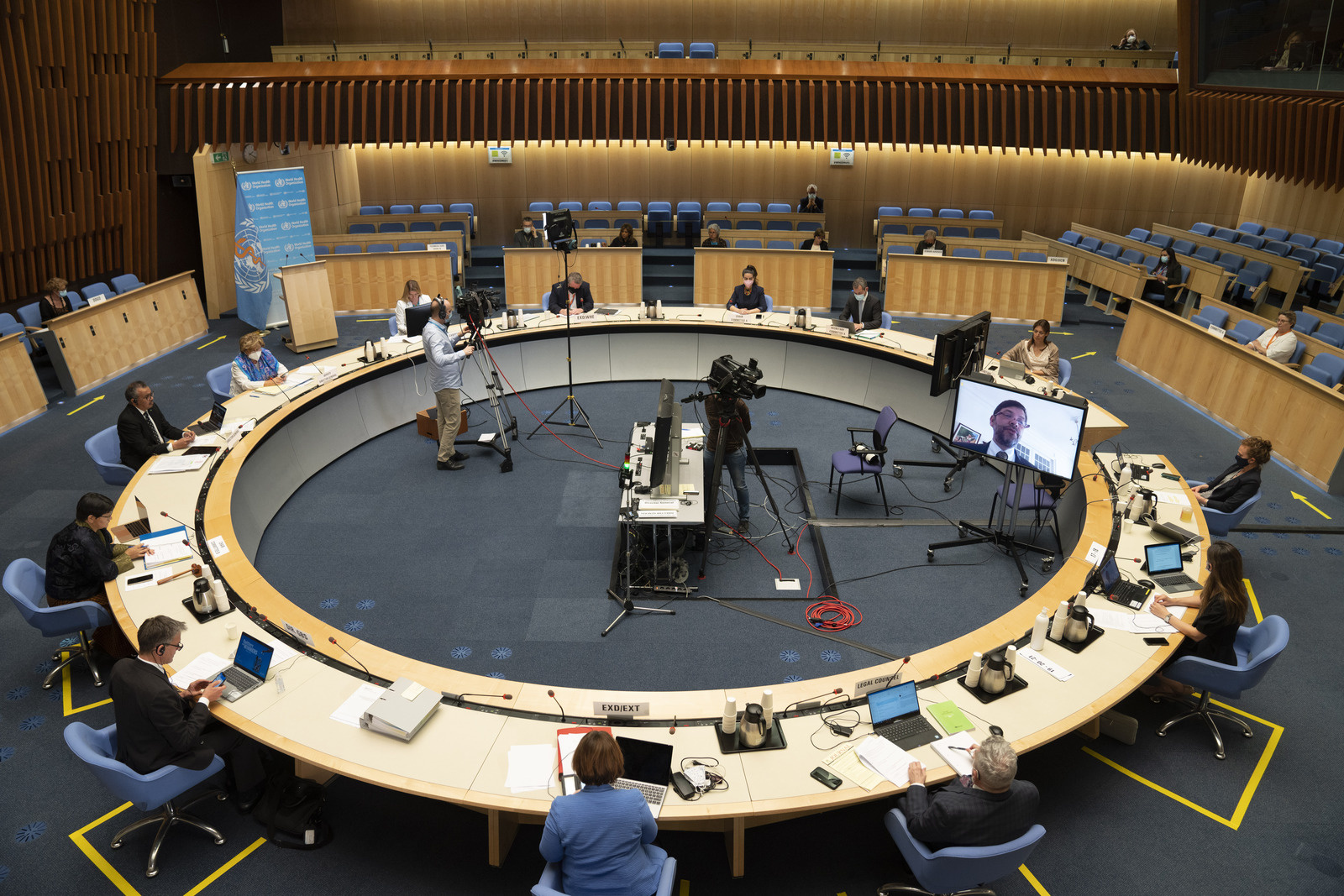

Data seen on a computer screen, Switzerland on 7 December 2021
Ensuring monitoring and surveillance of eye care
Eye care is essential to achieving universal health coverage and contributes to progress towards health-related and other Sustainable Development Goals. However, many countries lack comprehensive data on eye conditions, vision impairment and the availability, accessibility and quality of eye care services. Strengthening monitoring and surveillance is essential to identify population needs, inform evidence-based policy development and planning, allocate resources effectively and assess progress in improving eye health.
In response to the substantial unmet need for eye care, the Seventy-fourth World Health Assembly endorsed two global targets for 2030 on effective coverage of eye care in May 2021. These targets aim to increase effective coverage of refractive error care and cataract surgery by 2030.
WHO supports Member States in strengthening monitoring and surveillance of eye care, including through the integration of eye care indicators into national health information systems, the use of routine health facility data and the implementation of population-based surveys. In consultation with experts, WHO has developed indicators, technical guidance and tools to support countries in monitoring eye care service delivery, measuring effective coverage and assessing progress towards global and national targets. Further guidance and tools are under development. Explore the focus areas below to learn more about WHO's work on monitoring and surveillance of eye care.